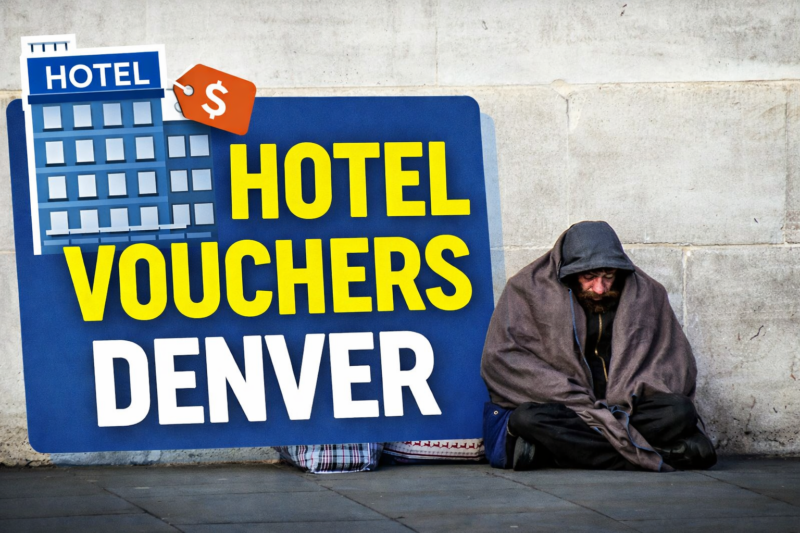
Homelessness is a serious problem affecting millions of people throughout the United States of America. The primary cause of homelessness in the U.S. is a severe shortage of affordable housing, exacerbated by stagnant wages and rising rents.
While poverty, unemployment, health issues, and systemic inequities contribute to the problem, the lack of accessible housing remains the single most critical determinant of homelessness nationwide.
Typically, homelessness is the result of the cumulative impact of various factors, rather than a single cause.
Lack of Affordable Housing
The primary reason for homelessness is that many people cannot afford a place to live. Rent prices have risen in many areas, while wages have not kept pace. This creates a gap between what people earn and the cost of housing.
When a person devotes the majority of their income to rent, even a minor setback—such as losing a job, falling ill, or facing an unexpected expense—can lead to eviction. Once someone loses their home, recovering can be extremely difficult. Affordable housing is scarce in many cities. Waiting lists for low-income housing programs can be long, and not everyone meets the eligibility requirements to access them. This leaves many people without a safe place to go.
Structural Factors
Structural factors are societal and economic issues that affect people’s lives and opportunities. These include aspects such as not earning enough money, being unable to find affordable housing, lacking adequate healthcare, or experiencing discrimination.
When the economy undergoes changes—both at the national and local levels—people may find it more difficult to earn a sufficient income. As a result, many individuals struggle to cover basic necessities such as food and housing.
Domestic Violence and Family Breakdown
Another major cause of homelessness is domestic violence. Many people—particularly women and children—flee unsafe homes in order to protect themselves. Upon leaving, they may have nowhere else to stay.
Family conflicts, divorce, or being kicked out of one’s home can also lead to homelessness, particularly among young people.
Mental Health Issues and Addiction
Challenges related to mental health and substance use can also play a significant role. Conditions such as depression, anxiety, or addiction can make it difficult for a person to hold down a job or maintain stable housing.
At the same time, homelessness can exacerbate these problems. Living without stable housing increases stress and hinders access to treatment or support networks.
Low Wages and Poverty
Homelessness and poverty are closely linked. People living in poverty often cannot afford basic necessities such as housing, food, childcare, healthcare, and education.
Poverty means that even a single setback—such as falling ill, having an accident, or losing a paycheck—can cause a person to lose their home and end up on the streets.
Systemic Failures
Systemic failures occur when support mechanisms—designed to help people—do not function properly. As a result, vulnerable individuals may end up becoming homeless. Examples include a lack of adequate support for youth aging out of the foster care system, insufficient planning for individuals being discharged from hospitals or prisons, an absence of assistance for those struggling with mental health issues or addiction, and a lack of sufficient support for immigrants and refugees.
Unemployment and Job Loss
Losing a job can be a turning point. Without income, it becomes nearly impossible to pay rent, buy food, or cover basic necessities.
Even temporary unemployment can lead to long-term homelessness, particularly for those who lack family support or savings.
Summary
The primary cause of homelessness is a shortage of affordable housing; however, this situation is often intertwined with economic hardship, health issues, and life crises. Homelessness is not the result of personal failure; it is often the outcome of systems that fail to provide adequate support when people are going through difficult times.